Fujifilm X-E1
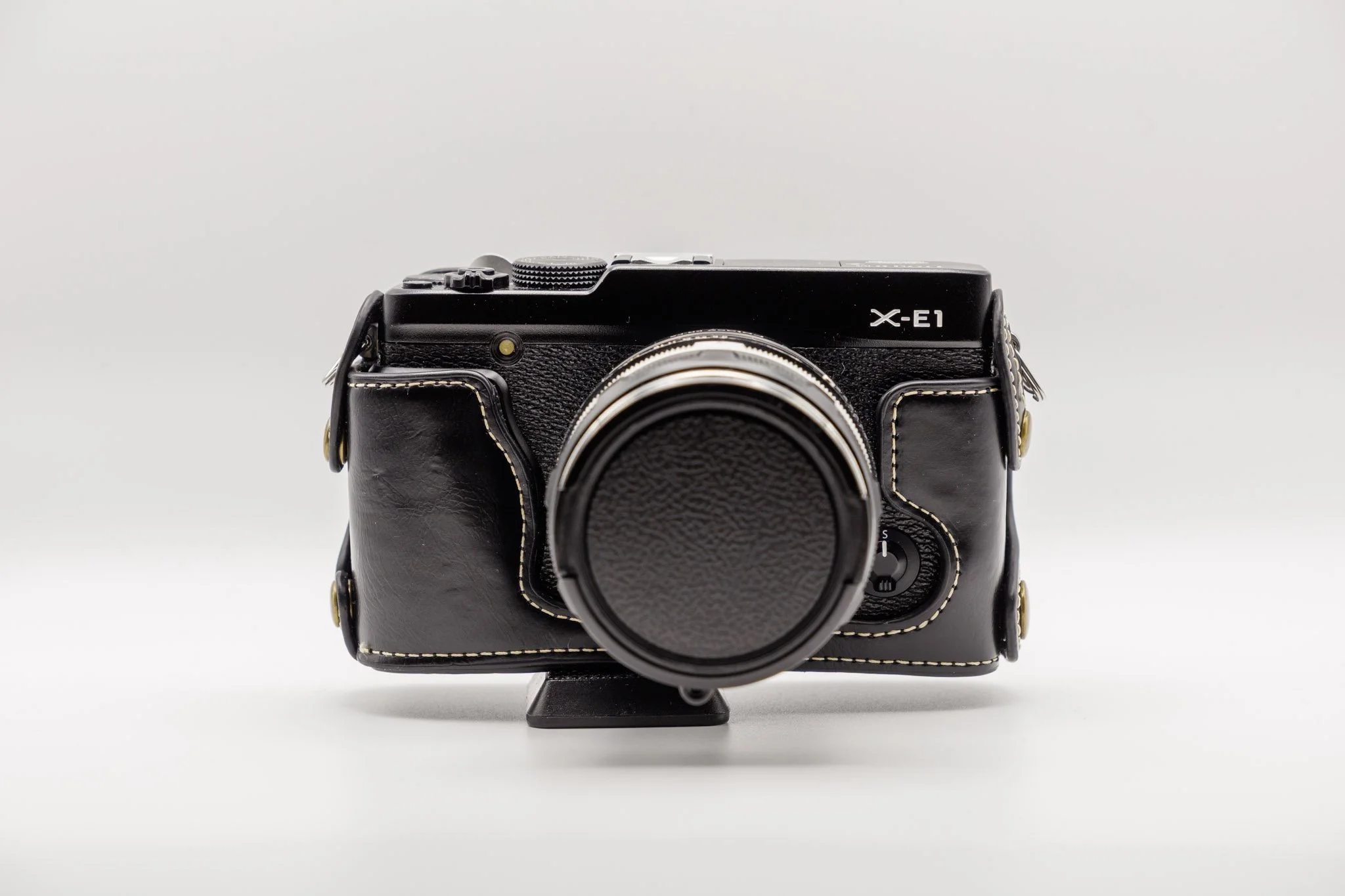
I ordered a Fujifilm X-E1 camera in 2025 after my brother picked up a X-Pro 2 for a great deal in Bangkok. I never saw myself as a Fuji guy, I always preferred the functionality of Canon or Sony cameras over the slightly more “aesthetic” Fujifilm offerings. After seeing the X-Pro 2 in person, I could see why people swore by the Fuji form factor and build quality. The all-plastic construction of Canon cameras and lenses are comfortable to hold, but they don’t inspire the same joy to wield as the solid metal construction and rangerfinder-esque design of a Fujifilm. Upon returning to the States, I found the prices of Fujifilm cameras to be even more unreasonable than the ones in Thailand. I didn’t want to break the bank on yet another camera that I don’t need, so I did research and found the X-E1 to be the most palatable option for my wallet while still maintaining that rangerfinder-style body that I wanted.
I managed to find my body in excellent condition from a nearby camera store for just $300. I prefer my cameras in all black, so it was a deal I couldn’t pass up. Apparently, these used to be able to be found for less than $200, but with recent demand for Fuji cameras, the price has gone up. At just $300, I think the price is still well worth it for the quality you get.

The sensor is a mere 16.3 MP, much less than the modern offerings from Fuji of 26 MP or even 40 MP. However, I have found that even 8 MP is enough to create an image with enough resolution for a moderately sized print viewed at normal distance. This is the original X-Trans sensor which has become something hyped as being especially “filmic” or having pleasing colors compared to newer sensors. In my experience, I haven’t noticed anything that distinguishes this sensor as particularly special, and in fact I find I dislike most of the native film simulations for this sensor. However, I will say that for a camera that is nearly 14 years old I have never found myself disliking the results of lower light images even at higher ISOs. I’m unsure if this is because of any special nature of the noise pattern or simply the fact that the lower resolution of the sensor hides noise better. Either way, I am overall quite happy with the way the images turn out. The main gripe I have with the sensor is the simply horrendous dynamic range. I hear this is largely improved upon with the X-E2, so keep that in mind when deciding which model to get.
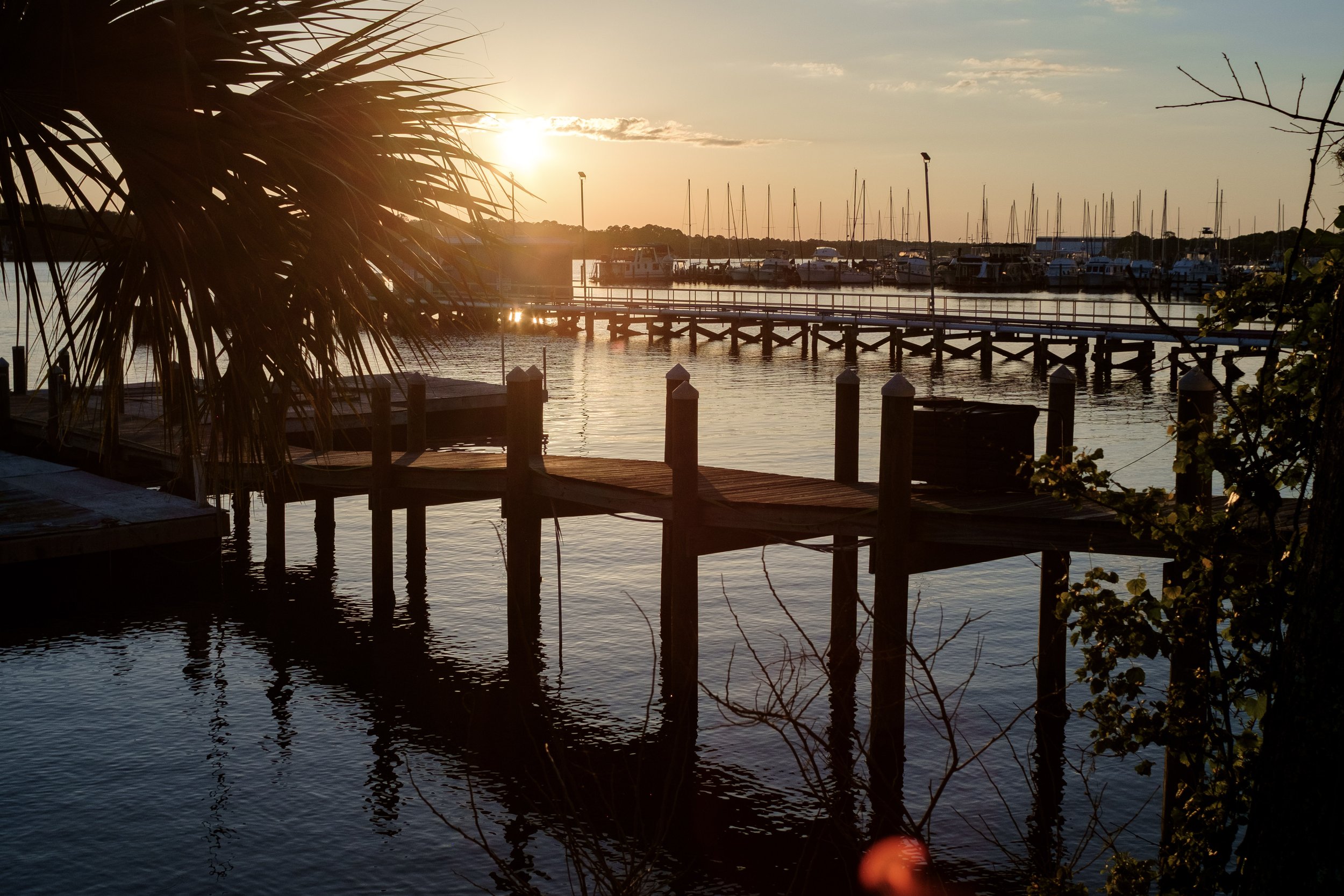
The build quality is definitely nice for what you pay for. The camera is fairly small and surprisingly light but still feels solid and well made. My favorite part of the build quality is the shutter sound which is incredibly satisfying and rather discreet. I have come to really enjoy the manual control dials on the top to allow me to change my settings without needing to put my eye through the viewfinder or attempt to view the back screen on a sunny day. The aperture rings that are common on Fuji native lenses and adapted vintage lenses are also something I have grown to love as well coming from Canon. The shooting experience becomes very tactile and reminiscent of shooting actual film on a rangefinder. I think that’s why, even for all the camera’s shortcomings, I still find myself taking my Fuji X-E1 over my decidedly superior Canon R10 when going to take pictures. It’s amazingly fun to shoot and the images it produces are as good, so I’m happy to bring it along whenever I don’t need the blazing autofocus of a modern camera.
The viewfinder is decent and works well considering its age but expect a low frame rate when indoors or in low light situations. The camera has focus peaking but only in white color, which is somewhat annoying when shooting in black and white. Personally, I always cover the back screen of the camera with a leather case and shoot using only the viewfinder with this camera. I wish the viewfinder were a little better, but it is more than serviceable. For people that use primarily Fuji autofocus lenses, they might consider spending the extra money on the X-Pro 1 for its optical viewfinder. I imagine that the experience would be much more immersive. Apparently, the X-E1 actually has an improved electronic viewfinder compared to the X-Pro 1, so if you are like me and primarily use vintage lenses you might be better off with the X-E1 anyway.
An added bonus is a little pop-up flash. I rarely use this, but for certain types of images it can certainly be nice to have. It can even be angled upwards to be bounced off a ceiling, which not even the flash on my Canon R10 is capable of. It reminds me of the flash on my Sony a6000.
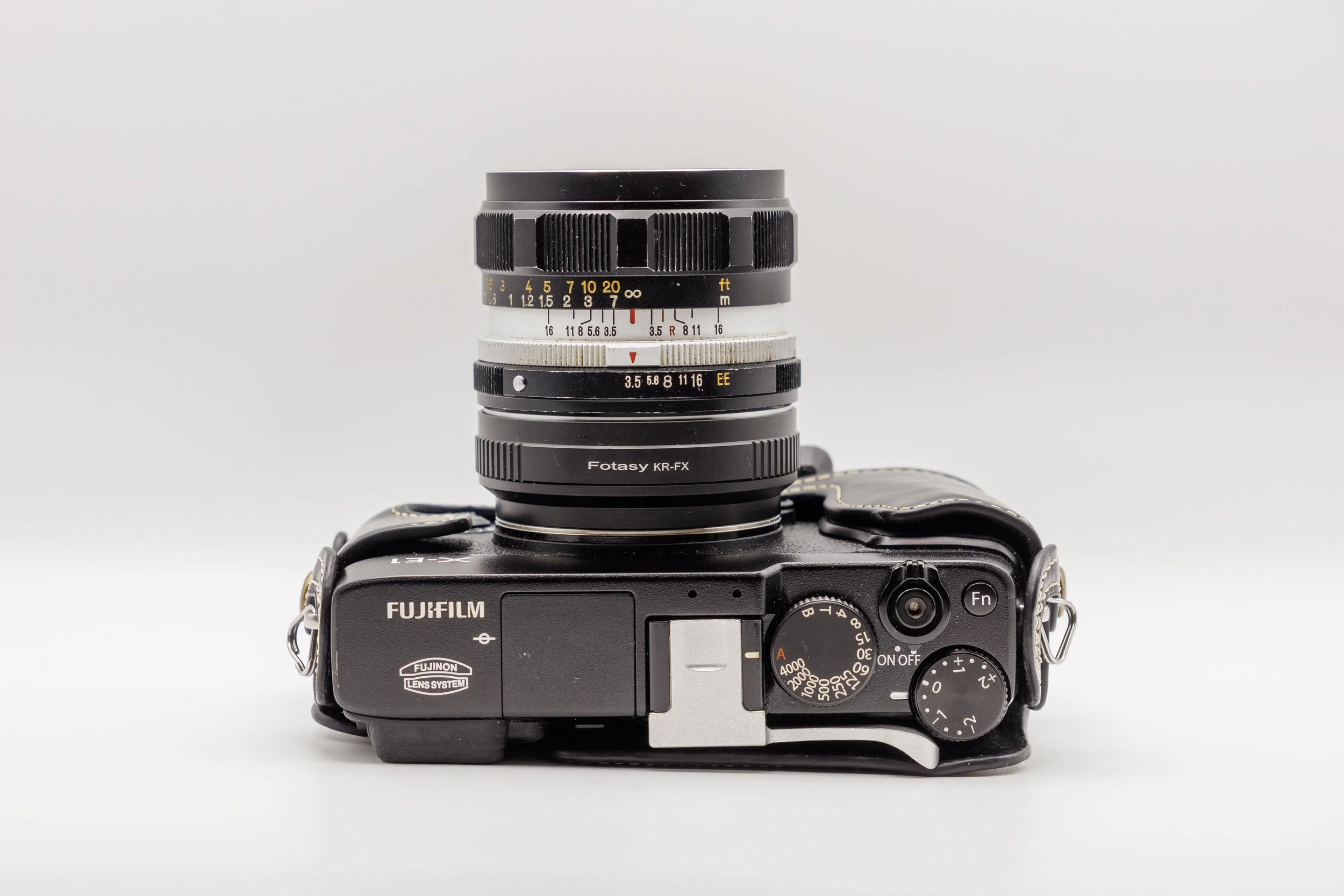
So, what are my thoughts after having actually used the camera? I used the Fuji X-E1 exclusively to shoot my Florida Photo Project last year, primarily with a couple vintage Konica Hexanon lenses as well as the native XF 18mm f/2. To be honest, I struggled to see what other people saw in this little old camera at first. The abysmal dynamic range makes it difficult to take photos outside in the daytime without blowing out the highlights or severely underexposing the image. The camera is incredibly slow. Even if you take a few photos, you will be locked out of taking any more until the camera spend a few seconds clearing the buffer. The manual focus magnification is also disabled during the buffer, so it is even difficult to line up your next shot while waiting. The camera is not very customizable, with only a couple programmable buttons. I was so frustrated with the colors early on that I decided to do the project entirely in black and white to focus on composition and just going out and taking pictures.
And yet, by the end of my photo project I had come to really love this camera. First of all, the black and white pictures from the camera are absolutely gorgeous. Editing the files can be finnicky (especially using Lightroom), but after spending more time with the camera, I’ve been able to get color photos out of it that I am really happy with. The restrictions and shortcomings of the camera make you need to understand it more intimately, so learning how to work around its flaws is highly rewarding. The shooting experience from the start has been a blast. It’s incredibly satisfying, tactile, slow (in a good way), and functional. With a small lens, it is very lightweight and fairly unassuming. This is something that I undervalued when I first got it, as in Bangkok I never felt particularly out of place walking around and taking pictures with a much more professional looking camera set up due to the high amount of tourism and photography culture in general. Coming back to the United States, however, I quickly discovered that bringing a DSLR-style body can invite lots of questions and unwanted attention when shooting. It’s nice to have a smaller camera that is more readily recognized as a hobbyist device.

Is the Fujifilm X-E1 still worth it in 2026? I think it depends on how much you can get it for. I think many Fuji cameras including the X-E1 are generally overpriced right now for what you get. Most of the ones I saw were going for $400 or more, which is probably more than I would recommend spending on this body. For just a little bit more than that, you can probably save up for a slightly newer body that will be a much more functional camera for general use. The X-E2 in particular is almost the exact same camera in terms of the body with improved speed, phase-detect autofocus, better dynamic range, and more customization. For the $300 that I paid, I think it is well worth the money spent. It’s so easy to get caught up in chasing better and better gear, that for just a little more money you can get a little more out of your photos. For me, what it really comes down to is whether or not the shooting experience is enjoyable and if I like the photos I take. If the X-E1 fulfills both of these for me, why should I desire anything more?
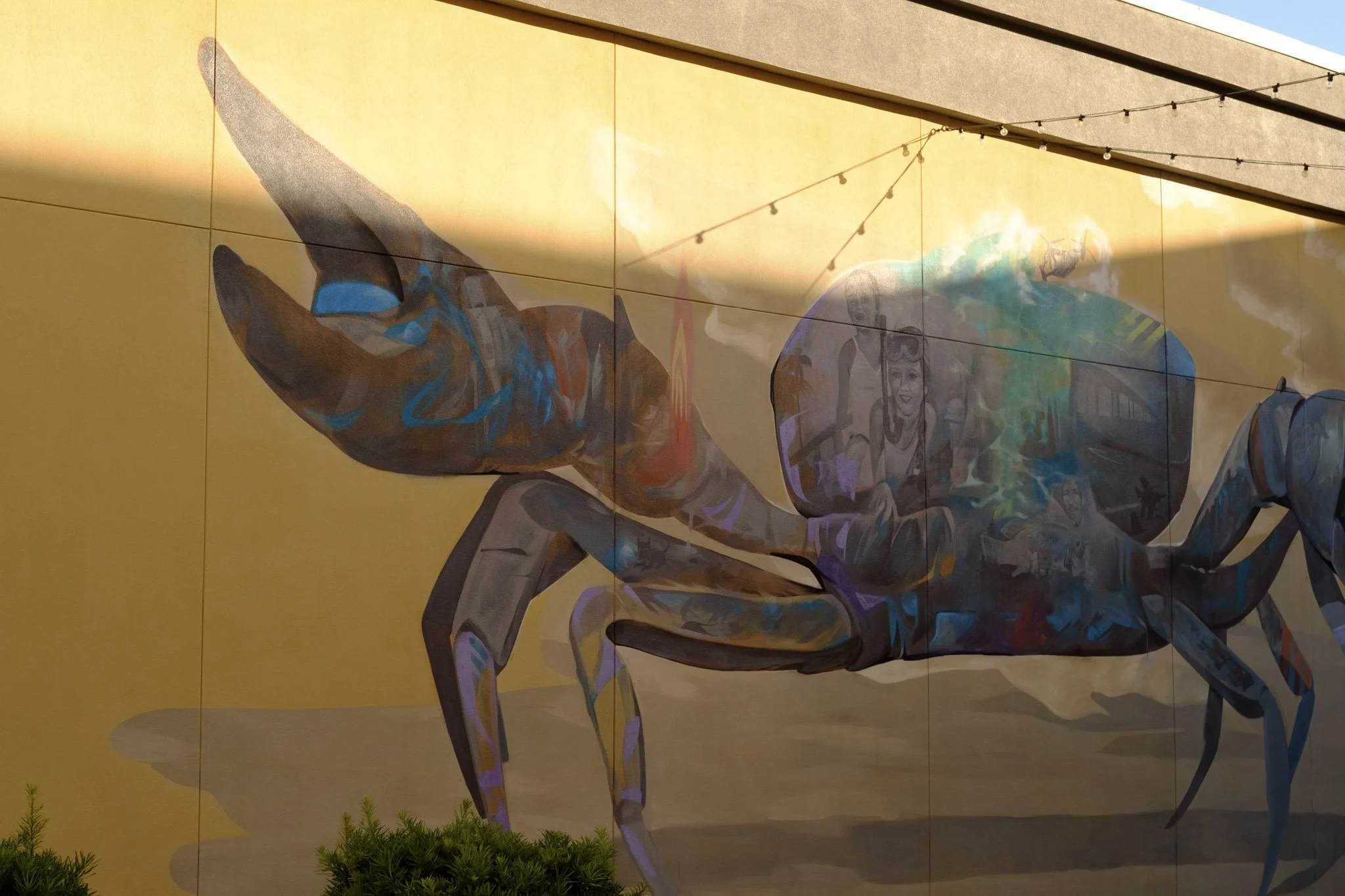
Compared to my Canon R10 and Sony a6000, my X-E1 has become my go-to camera. Those other options are similarly budget-friendly APSC cameras that offer better autofocus and more megapixels. In the case of the Canon, it is also much newer with blazing autofocus, great video options, incredible customization, and beautiful colors. For me, these cameras don’t compete. The X-E1 inspires me much more to go out and take photos because it is such a joy to shoot and I find the restrictions artistically liberating. I wouldn’t want to take the X-E1 in any situation where I would want to have autofocus or good dynamic range. If these are important for what you shoot, look elsewhere. For the hobbyist on a budget looking for something special to take with them that can take amazing photos, look no further.